Wine Country Guides
Your First Wine Tasting in Paonia: What to Expect
A friendly introduction to tasting flights, useful wine terms and questions to ask on your first visit to Paonia’s wine country.
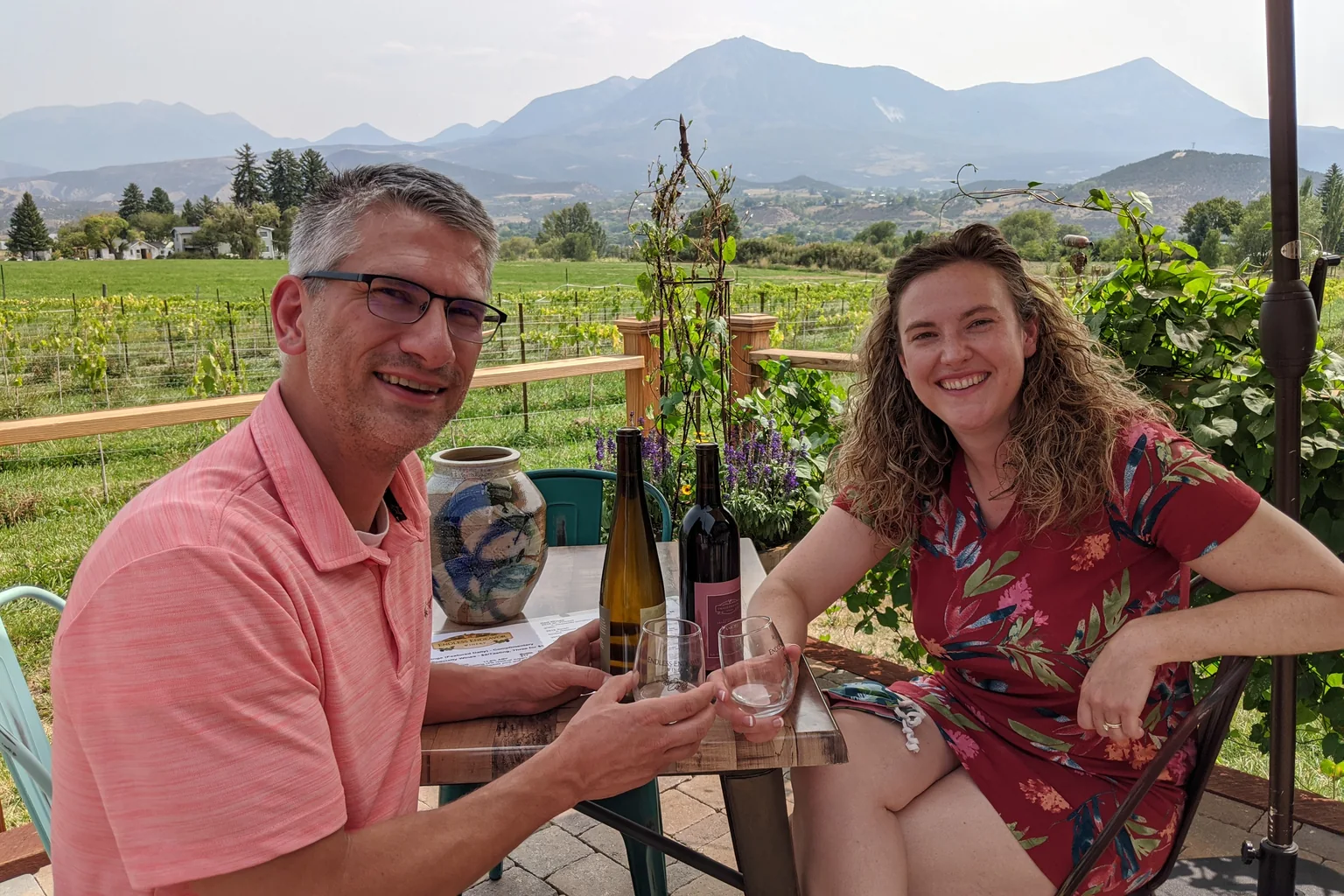
You don’t need a favorite grape or a vocabulary of tasting notes to enjoy a wine tasting in Paonia. Start with what you already like, ask a few questions, and give yourself time to notice the differences between pours.
If you’ve never visited a tasting room, the unfamiliar part may be the experience itself. What do you order? What should you say about the wine? And what happens if you don’t love everything in your glass?
Here’s a simple way to approach your first visit to Paonia and the surrounding West Elks wine country.
Start by asking how the tasting works
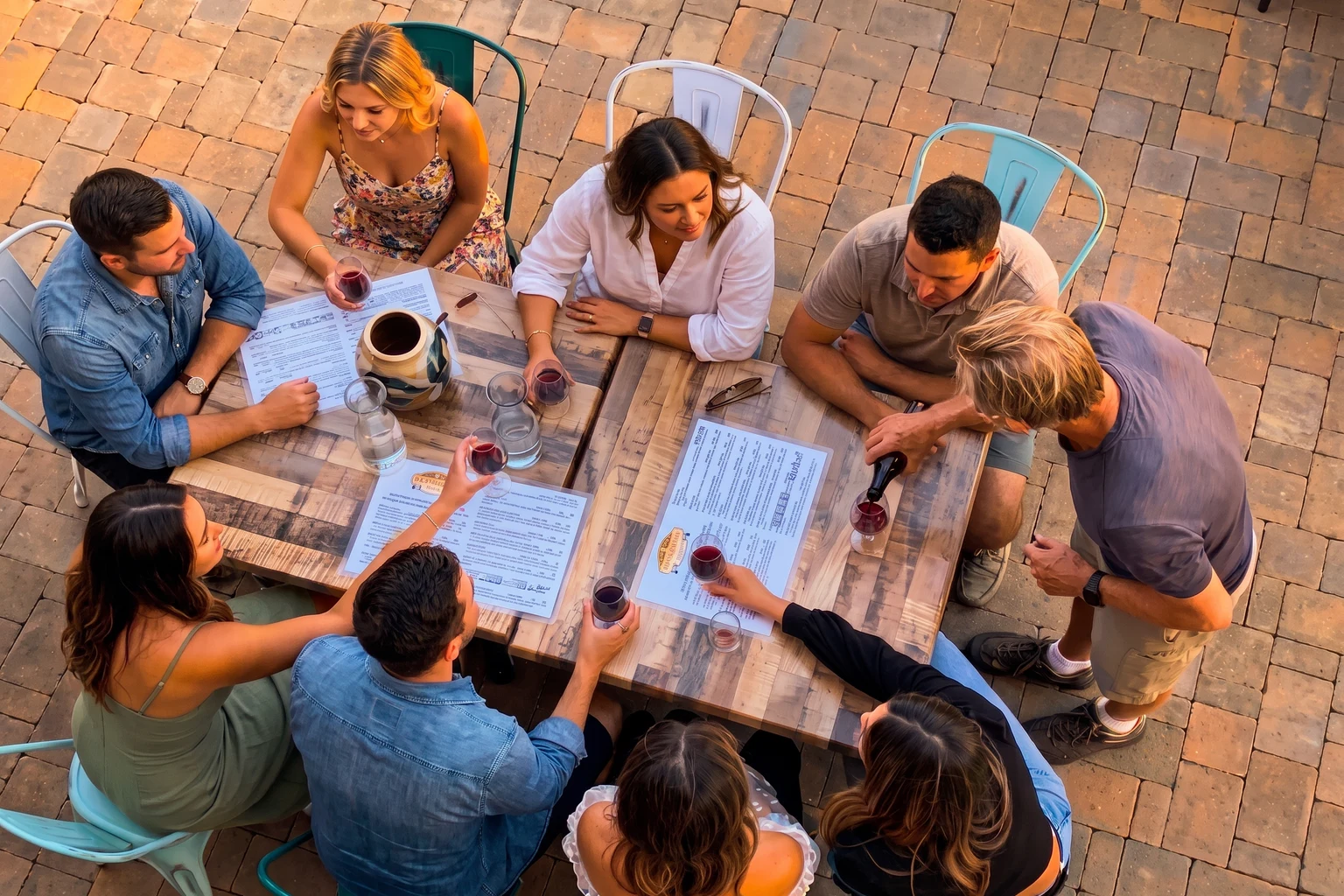
A wine flight is a selection of small pours that lets you try several wines. Before ordering, ask which wines are included, what the tasting costs, and whether the host recommends a particular order. Formats and fees vary by winery, so leave room for each stop to be a little different.
For a local example, The Storm Cellar, between Paonia and Hotchkiss, specializes in white and rosé wines and offers guided tastings. A flight doesn’t have to cover every color of wine to give you plenty to compare.
If you’re hoping to try a particular grape or style, mention it before choosing your tasting. Ask about any bottle-purchase policy separately; don’t assume a purchase automatically waives the tasting fee.
Tell your host what you enjoy
“I usually drink white wine, but I’m curious about reds” is a useful starting point. So is “I like something bright and refreshing” or simply “This is my first tasting.”
You can also name a bottle you’ve enjoyed or explain what you tend to avoid. That gives your host something concrete to work with, without requiring you to translate your preferences into wine terminology first.
Try leaving one choice open to a recommendation. You may find a new favorite, or learn something more specific about why you prefer the wines you already buy.
Take a moment with each pour
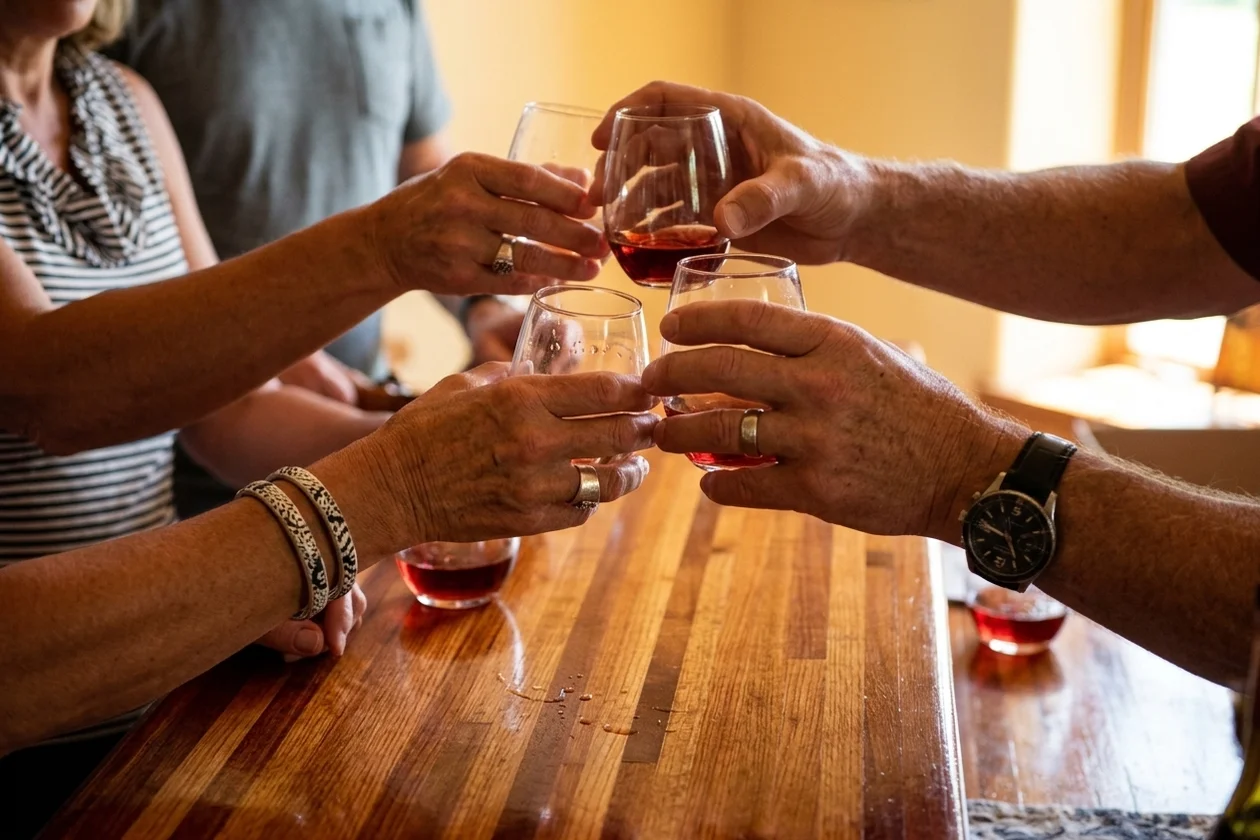
Smell the wine before you taste it. A gentle swirl can help release its aromas; keeping the base of the glass on the table makes that easier. Then take a small sip and pause before moving on. WSET’s tasting guide explains these simple steps in more detail.
Start with one observation. Does it smell fruity, floral or earthy? Does it feel light or full in your mouth? Would you want another sip?
You don’t have to identify a specific fruit to have a useful opinion. “I like this one more than the last one” gives you a place to begin. Ask your host what might explain the difference.
Three tasting terms worth knowing
Dry describes a wine without noticeable sweetness. It doesn’t mean the wine lacks fruit aromas or flavor. WSET’s guide to finding wines you like is a helpful introduction to this distinction.
Acidity produces a mouthwatering sensation. Tannin produces a drying sensation, often noticeable in red wines. That drying feeling is different from calling a wine “dry.” WSET’s explanation of wine structure offers more detail.
These words can help you explain a preference: “I liked the fresh, mouthwatering one” or “I’d like to try a red with less of that drying feeling.” Use whichever description feels natural.
Ask a question about the place
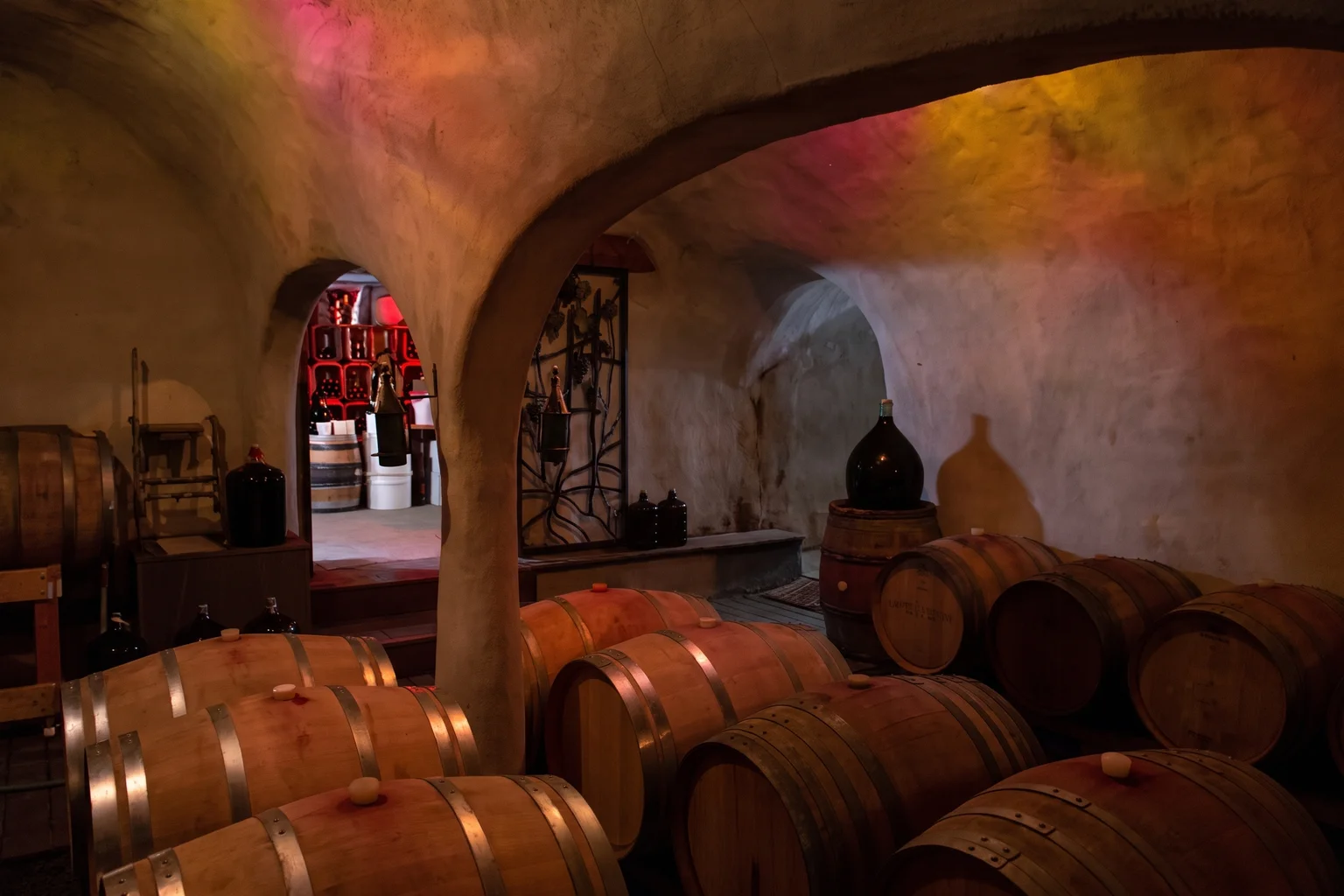
Tasting in wine country is a chance to connect a bottle with where and how it was made. A few questions can take the conversation beyond the tasting menu:
- Where were the grapes for this wine grown?
- What made you choose this grape variety?
- Which two wines would you suggest comparing, and why?
- What would you serve with this bottle at home?
Ask about the wine in your glass rather than assuming every bottle comes from the vineyard you can see. If the regional story catches your interest, our West Elks AVA guide provides more background for your visit.
Keep track of what you like
You can leave wine unfinished. Ask your host where to empty your glass if you’re ready to move on, and feel free to pass on a pour.
When something stands out, photograph the label and save a short note: the producer, the wine and vintage, and one thing you liked. “Would love this with dinner” may be more useful later than a long list of tasting terms.
You also don’t need to choose a favorite immediately. Let the tasting help you discover what you enjoy, including a style you’d like to explore on another visit.
Make room to enjoy the visit
Arrange transportation before your tasting day. Western Colorado Wine Tour provides designated driving, route planning and winery coordination, so your group can spend its time enjoying the stops. Winery tasting fees, wine purchases and food are additional.
Explore our Paonia wine tours, or use our wine-tasting day planning guide to work through timing and booking details.
Start with what you already like, ask a few questions, and give yourself time to notice the differences between pours.
Plan with current information
Useful sources and next steps.
Your first visit to wine country
Make time to discover what you enjoy.
Explore guided wine tours around Paonia, with designated driving, route planning and winery coordination. Tasting fees, wine and food are additional.